Resize Image
Use this tool to resize images to a predefined image width and height using different types of interpolation methods. The graphics window instantly shows the resulting image which is automatically used in all subsequent tools. However, the image is fit to the size of the graphics window by default. Therefore, if both the width and the height are doubled, you will see no difference in the displayed image in the graphics window.
Parameters
Basic Parameters
Image:
This parameter represents the input image to be resized.
If a color image is used as an input image, all channels of the color image are used for the processing.
Width:
This parameter defines the resulting image width to which the image shall be resized.
Height:
This parameter defines the resulting image height to which the image shall be resized.
Interpolation Method:
This parameter defines the interpolation method that is used to determine the resulting gray values of the resized image. Gray-value interpolation is a useful method to enhance the quality of transformed images. As default, the "constant" method is used for resizing. Select a different method using the combo box of the corresponding parameter.
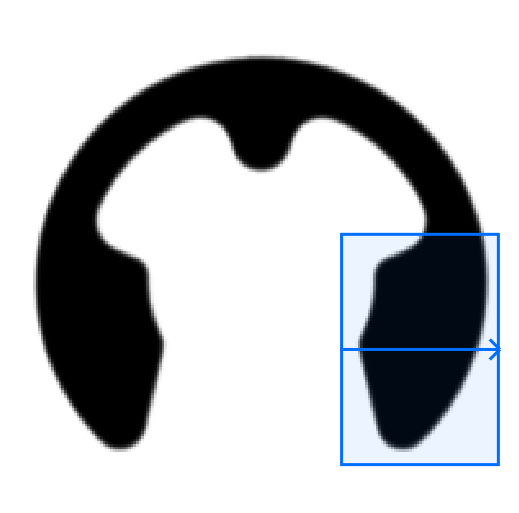
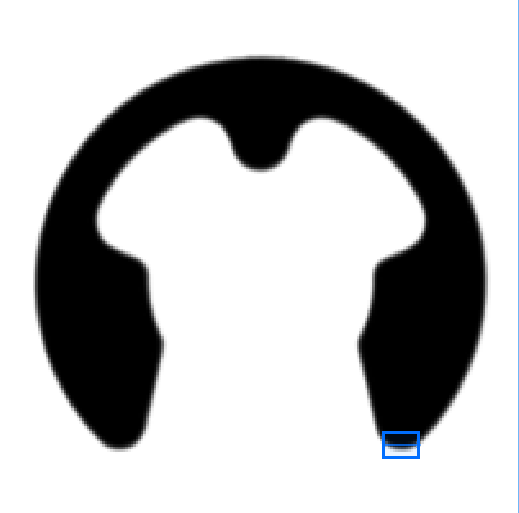
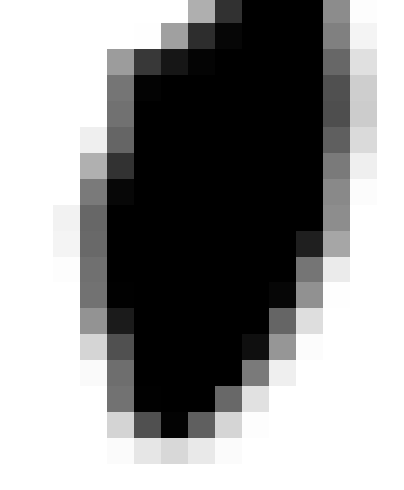
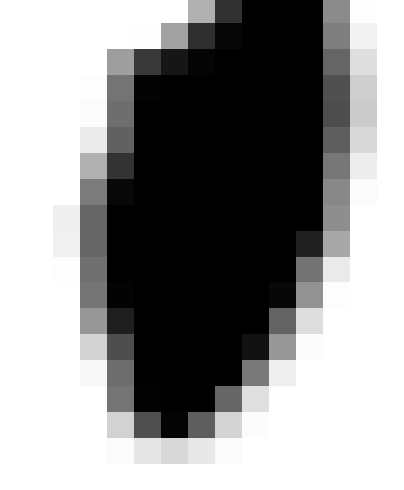
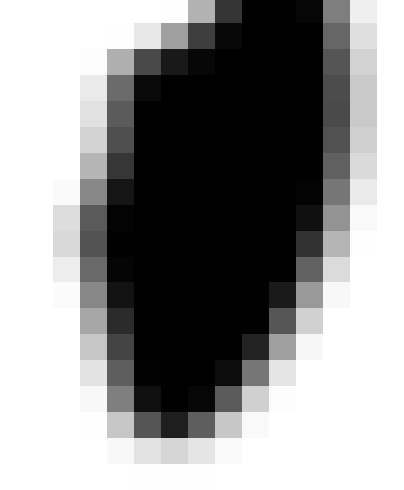
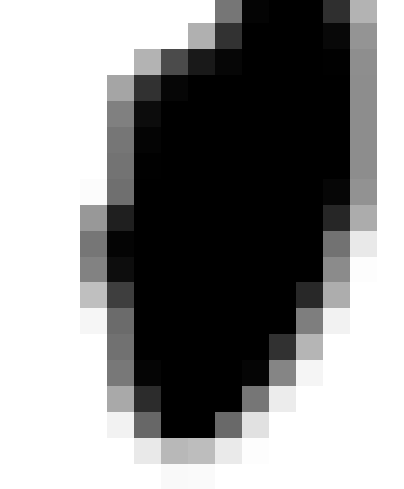
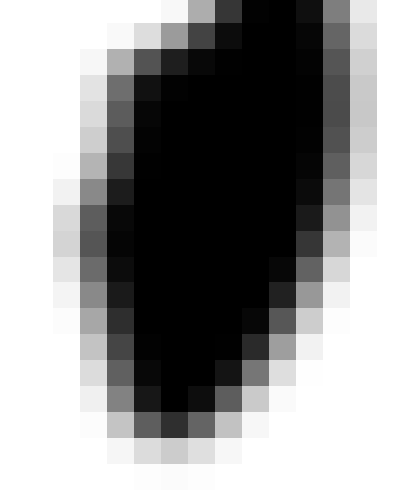
The table below describes the different interpolation methods with some example images. The example images show the result of the each interpolation method in case the image transformation contains a downscaling or an upscaling of the image. The region of interest (ROI) in the following images shows which image part is visible in the examples for downscaled images (left) and upscaled images (right).
|
Value |
Description |
Example downscaling |
Example upscaling |
|---|---|---|---|
|
bicubic |
This method determines the resulting gray value from 16 neighboring pixels in the original image. Highest quality for upscaling and highest run time |
|
|
|
bilinear |
This method determines the resulting gray value from the four surrounding nearest pixels in the original image. It produces better results with less undesired jagged edges for image transformations that include upscaling but no downscaling. If the image transformation contains a downscaling of the image, this method may lead to undesired artifacts in the image due to aliasing effects. Medium quality and run time |
|
|
|
constant |
This method determines the resulting gray value from the four surrounding nearest pixels in the original image using an equally weighted bilinear interpolation. In contrast to the "bilinear" interpolation this method integrates a smoothing of the image with a mean filter. This leads to a reduction of the undesired aliasing effects in case the image transformation contains a downscaling of the images. Medium quality and run time |
|
|
|
nearest neighbor |
This method determines the resulting gray value based on only one pixel in the original image, i.e., from the gray value of the nearest pixel. This means, no interpolation over multiple pixels is performed. Instead, the resulting pixel is assigned the gray value of the pixel in the original image whose center lies closest to the center of the resulting pixel. Possibly low quality, very fast |
|
|
|
weighted |
This method determines the resulting gray value from the four surrounding nearest pixels in the original image using a Gaussian weighted bilinear interpolation. For this method a Gaussian filter is used in the image transformation for the integrated smoothing of the image. This leads to a better reduction of the aliasing effects in case the image transformation contains a downscaling of the image. Compared to the interpolation method "constant", this method produces output images with a smoother appearance. However, the run time increases significantly for downscaled images. Good quality, slow |
|
|





Basic Results
Resized Image:
This result returns the image that has been resized to the defined image width and height.
Tool State:
"Tool State" returns information about the state of the tool and thus can be used for error handling. Please see the topic Tool State Result for more information about the different tool state results.
Additional Results
Processing Time:
This result returns the duration of the most recent execution of the tool in milliseconds. The result is provided as additional result. Therefore, it is hidden by default but it can be displayed via the  button beside the tool results. For more information see the section Processing Time in the tool reference overview.