Success Story
One such breakthrough has been developed by Eberle Automatische Systeme, a leader in automation solutions, with a focus on the cheese-ripening process.
Cheese consumption is booming globally, and producers are facing increasing challenges as they scale production. Labor shortages, particularly in Europe, are pushing dairies to adopt automation to increase efficiency. Meanwhile, sustainability is becoming a central concern, with an increased focus on reducing waste and conserving resources. Additionally, consumers are demanding higher-quality products with more variety, further intensifying pressure on producers.

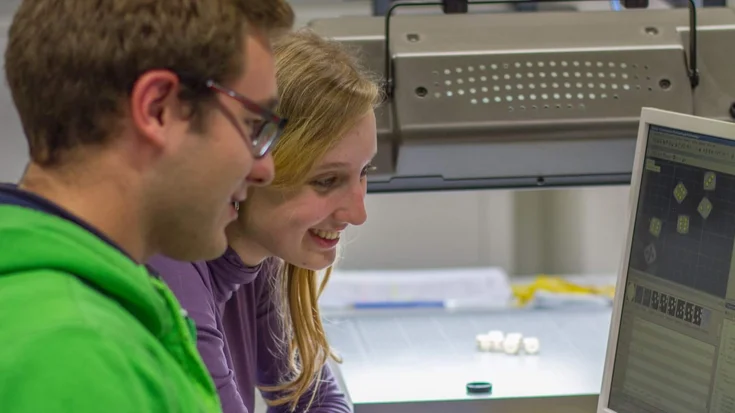
As Eberle's Machine Vision Engineer, Dorian Köpfle, explains: “The cheese-ripening process, which can last up to 14 months, requires constant monitoring to avoid mold and ensure quality. Manually inspecting thousands of cheese wheels is virtually impossible, which is why Gebr. Baldauf GmbH & Co. KG, a traditional dairy, turned to us for an automated solution.”
Eberle is a Austria-based company and a Certified Integration Partner of MVTec. It is specialized in automation solutions for the food industry, robotics and industrial image processing.
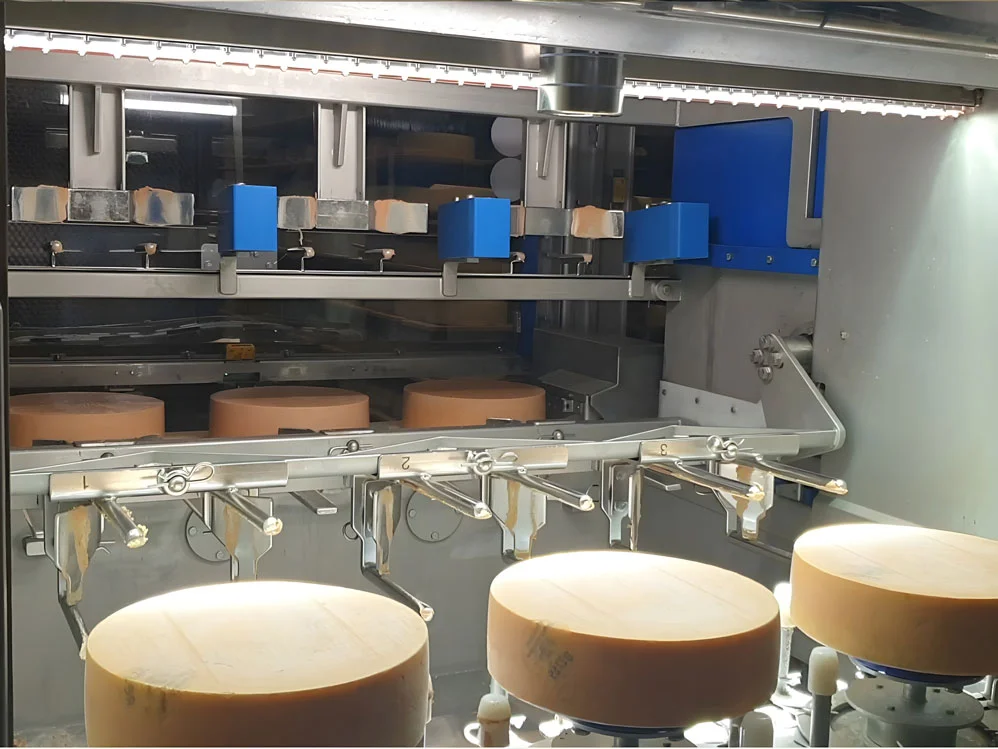
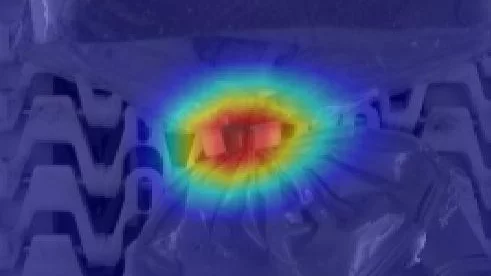
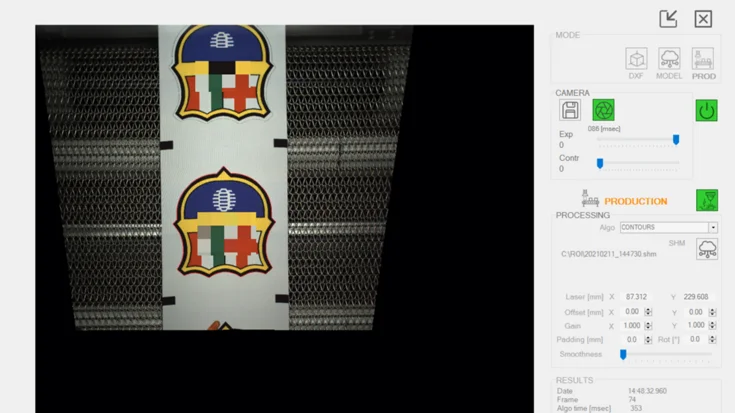
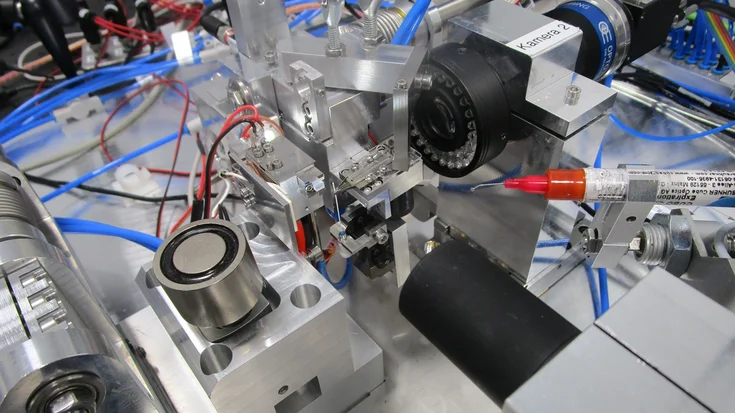
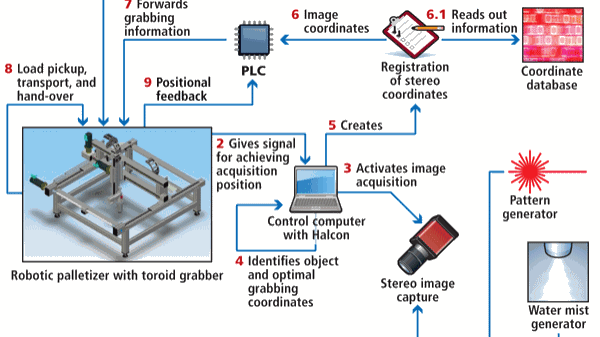
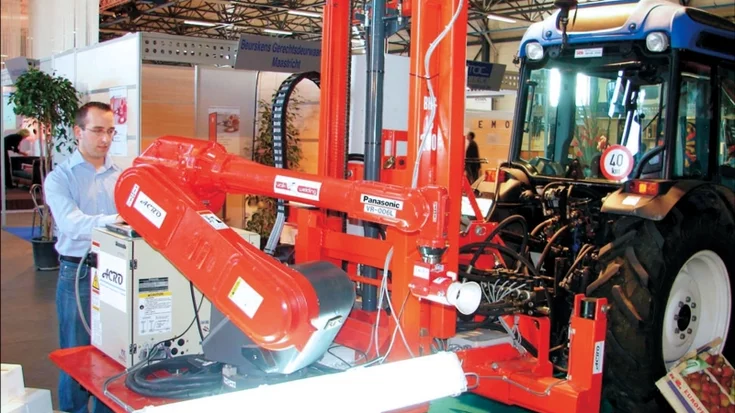
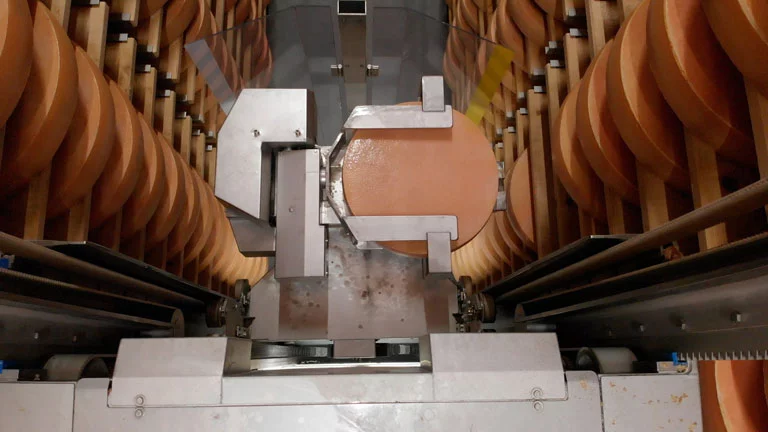
The process begins with the inspection of cheese wheels for defects, such as mold spots or blemishes. A 4K camera captures high-resolution images, which are analyzed using advanced machine-vision algorithms from MVTec HALCON. The software uses deep-learning methods to detect anomalies earlier, minimizing process deviations and waste. The data is stored and made available via a web interface, enabling remote monitoring and control. Simultaneously, the mobile care robot performs its task of treating the cheese wheels, ensuring proper rind formation and removal of unwanted smear layers. This system not only increases efficiency by reducing manual inspection but also improves the consistency and quality of the final product.
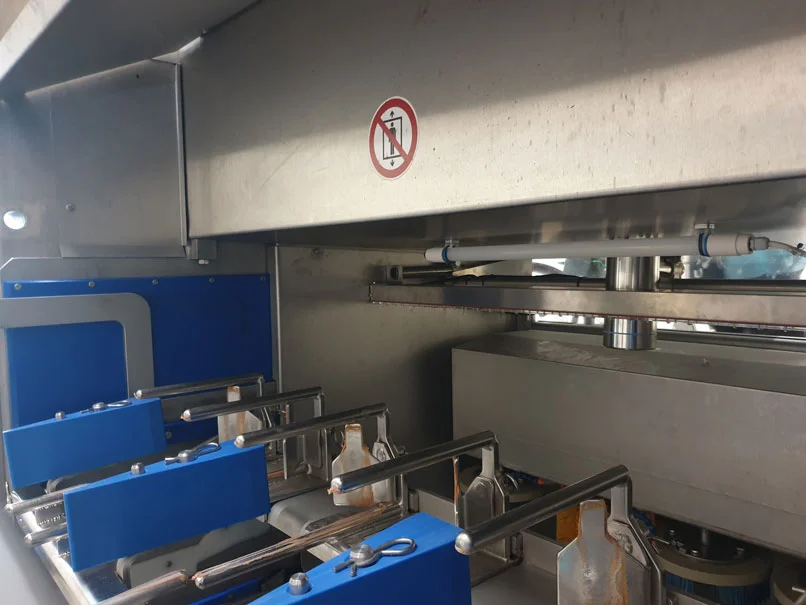
The deployment of this automated system has provided several key benefits for Gebr. Baldauf, including:
A significant challenge in developing this system was the natural variability of cheese. Every wheel looks different and undergoes significant changes during the ripening process, which makes rule-based machine vision methods less effective. To overcome this, Eberle utilized AI and deep learning to create a system that could adapt to the unique characteristics of each cheese wheel.
The MVTec HALCON software was instrumental in this process. By training a deep-learning network with a large dataset of cheese images, the system is able to reliably detect defects such as cracks, mold, and discoloration, while ignoring the natural variations inherent to the process. This technology ensures that even subtle anomalies are spotted, allowing for earlier intervention and better quality control.
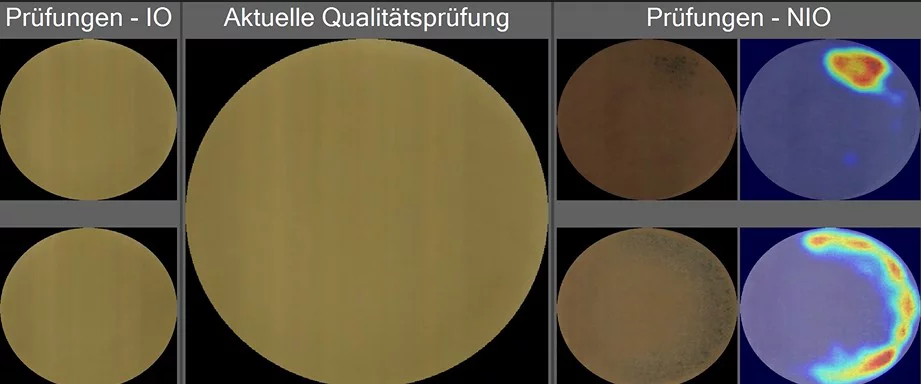
Eberle’s goal was not only to automate the inspection process, but to fully integrate AI into the cheese-ripening workflow. Currently, the system is capable of performing real-time inspections and autonomous care, with minimal human involvement. However, the company is working on refining the system further to handle all types of cheese and stages of ripening, with the long-term goal of creating a fully automated, AI-driven system that requires no human input.
The system also provides a solid foundation for future digitalization efforts, with the potential for integration into larger digital platforms, such as ERP systems and the cloud, to further optimize the production process.
Building on the success of this project, Eberle is now focused on scaling the solution to meet the needs of the entire cheese industry. The company plans to standardize the system and integrate it into both mobile and stationary care robots for cheese production worldwide.
Furthermore, the system’s AI capabilities are continually evolving. Eberle aims to refine the deep-learning models to handle different cheese types and ripening stages, enabling fully automated classification and inspection. This will allow producers to further reduce human involvement while maintaining the highest standards of quality.
As Christoph Muxel of Eberle summarizes, "Our machine vision-based solution demonstrates how automation can sustainably improve quality, efficiency, and competitiveness in the food industry. This project is just the beginning, and we're excited to take these innovations to a global scale."
REAL-WORLD APPLICATIONS