Success Story

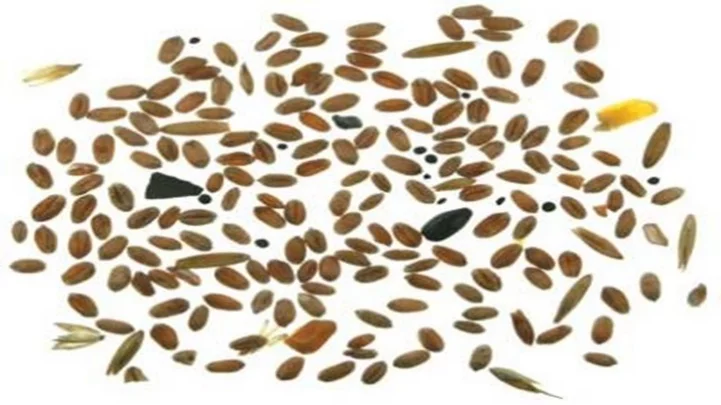
Previously, Japanese law required a human inspector to perform a random sample test on the quality of rice grains. With changing legislation, Kett was able to introduce an automatic inspection system using its own machine vision library. The system acquired images of the rice grains one by one and it needed one minute for this random sample test compared to a human being who only needs a few seconds. Moreover, the inspection was carried out using the average grey value, an absolute value. However, the human inspector performs the inspection with a relative value. This led to an unacceptable difference between the results. Therefore the system could not replace the human inspectors.

Then, Kett Electric Laboratory developed a new system, which can overcome these hurdles. It can capture a wide range of fields of view and needs only 16 seconds per image. This brings the inspection result much closer to that of the human inspector and brought many additional advantages for the rice company:
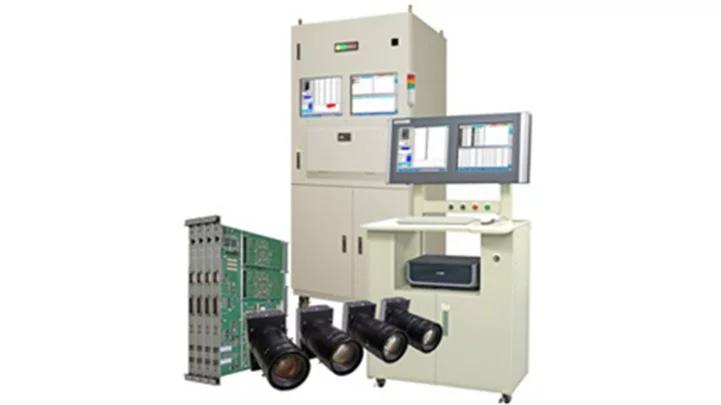
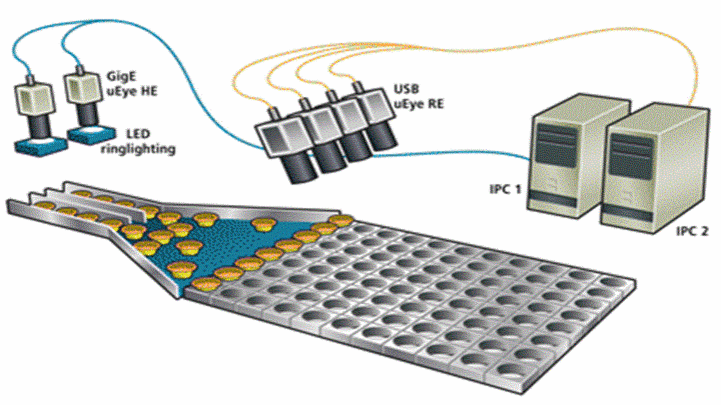
The machine vision software within this system must solve complex machine vision tasks, which shall be processed in a short time. So, they chose HALCON embedded in combination with a powerful CPU board. Thanks to HALCON’s multiple operators, it is in use for camera calibration, grain segmentation, extract feature value, and measurement of the size to classify the quality. With the watersheds treshold algorithm used, the grains are segmented even if they are close together. The following hardware is in use:
Text and images kindly provided by Kett Electric Laboratory.
REAL-WORLD APPLICATIONS