Success Story
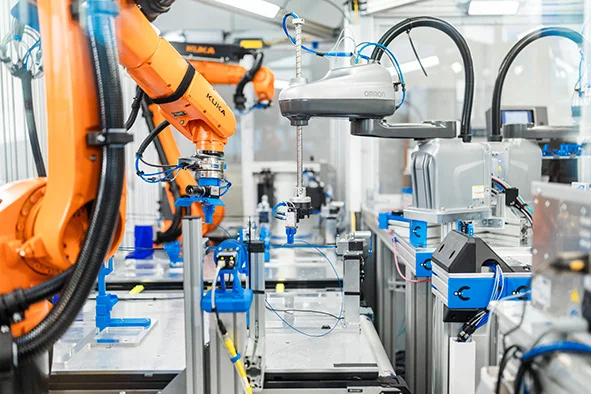
While many production steps in the automotive industry are already highly automated, the assembly of complex wire harnesses is still largely performed manually. The main reason is that cables are flexible, dimensionally unstable components. Their position changes with every handling operation.
One particularly challenging task is inserting crimps into the cavities of connectors. The crimps are only a few millimeters wide, and the robot must determine their position and orientation very precisely. The Cellios application requires an insertion accuracy of approximately 0.1 mm. In addition, wire harnesses come in a wide variety of configurations. For automation to be economically viable, it must therefore be precise as well as flexible.
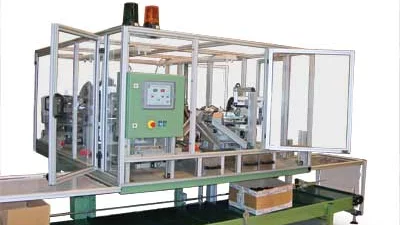
Cellios GmbH was spun off from the Fraunhofer Institute for Manufacturing Engineering and Automation IPA and was founded in 2024. The company develops robot-based automation systems for cable assembly. Together with TE Connectivity, Cellios developed a system that not only handles individual process steps, but also automates the entire production of a wire harness.
The modular system covers various wire harness manufacturing processes:
The greatest technical challenge lies in routing and the subsequent contact insertion process.
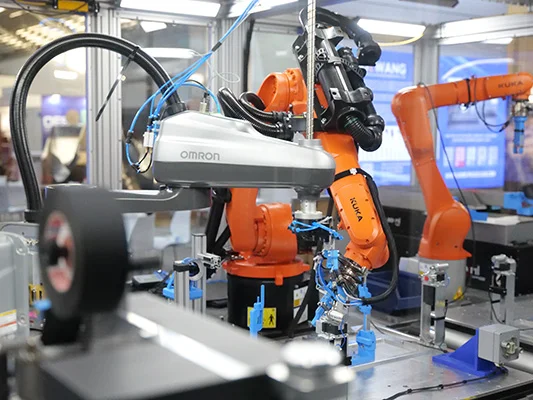
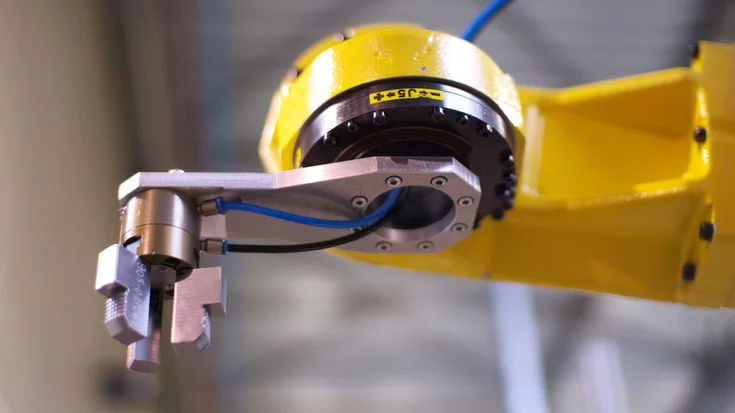
During contact insertion, a robot must reliably insert the gripped crimp into the designated cavity of a connector. Because the position of the cable end changes during the preceding process steps, a preprogrammed robot position alone is not sufficient.
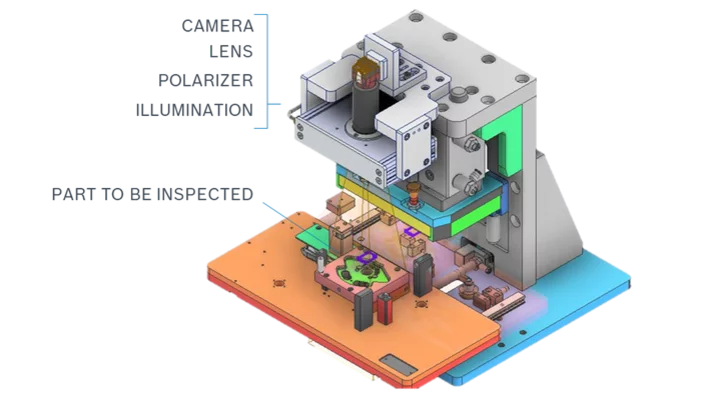
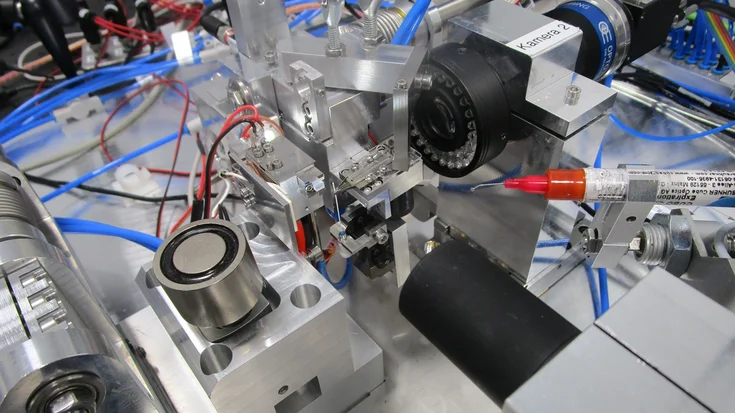
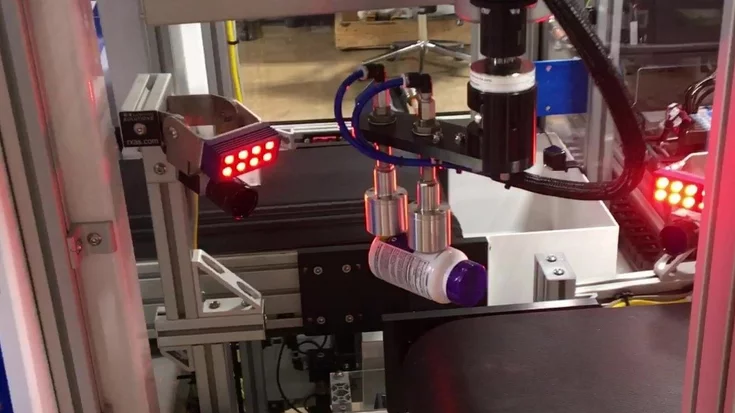
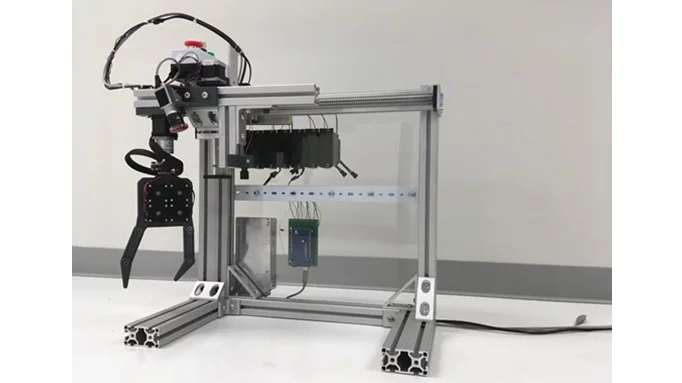
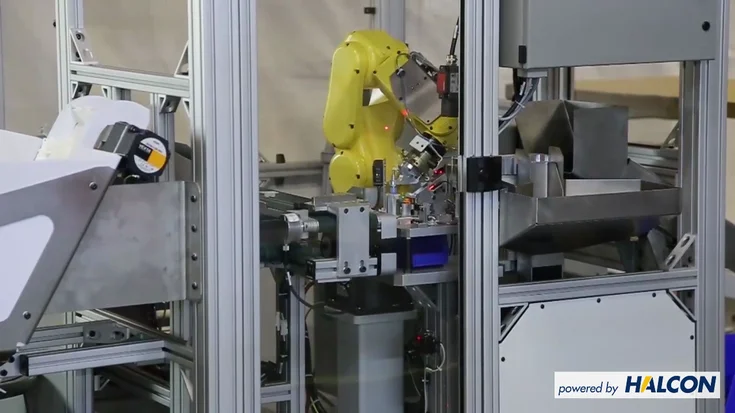
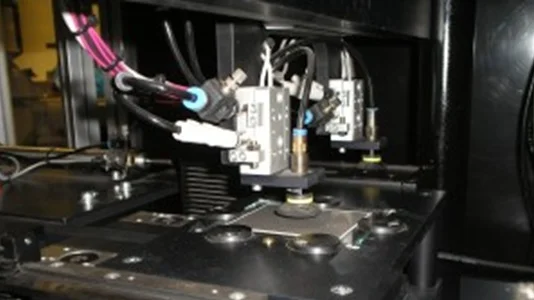
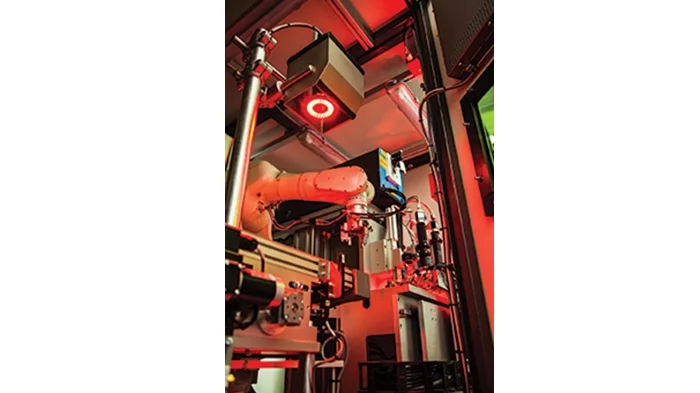
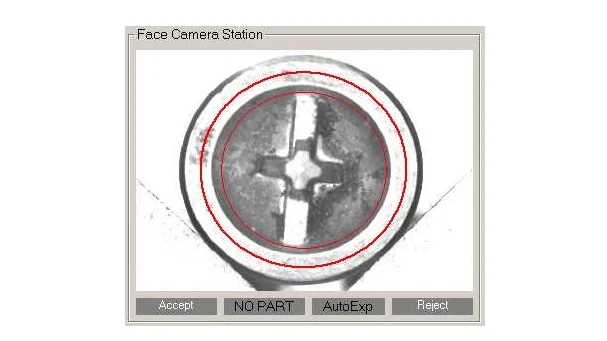
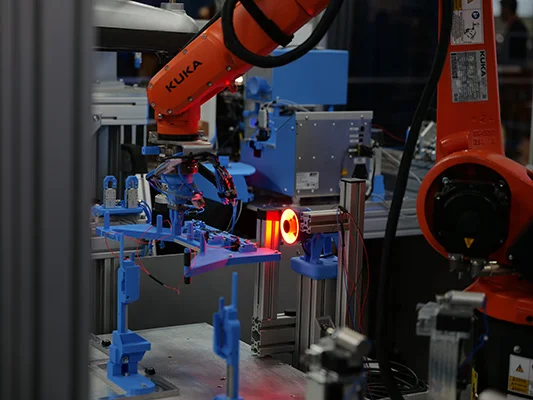
Cellios therefore uses two 2D cameras and machine vision. First, the robot moves the gripped component to a camera. The machine vision system then determines the crimp’s current position and orientation. This information is used as correction data for the robot’s movement.
A second camera measures the target position on the connector. Based on this data, the robot can correct its movement and precisely position the crimp. Machine vision therefore performs a key task: it detects geometric deviations caused by the flexible structure of the cable and by upstream processing steps.
"Without precise measurement, we would not be able to achieve the 0.1 mm insertion accuracy we need to align the connector with the crimp," explains Dr. Frank Nägele, CTO at Cellios.
Machine vision provides the required geometric accuracy. During the actual insertion process, force control comes into play as well. A force-torque sensor on the robot monitors the forces that occur and controls the insertion process. This way, the system combines two different sources of information: machine vision determines where the component and target are located, while force control manages how the crimp is inserted. This combination enables the robot to perform a process that previously required human vision, concentration, and dexterity.
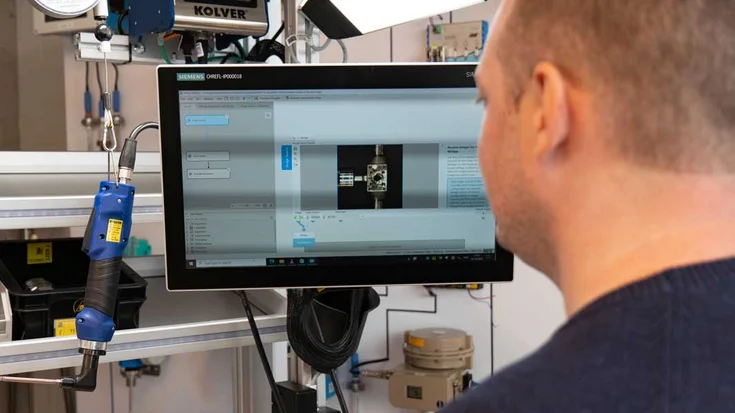
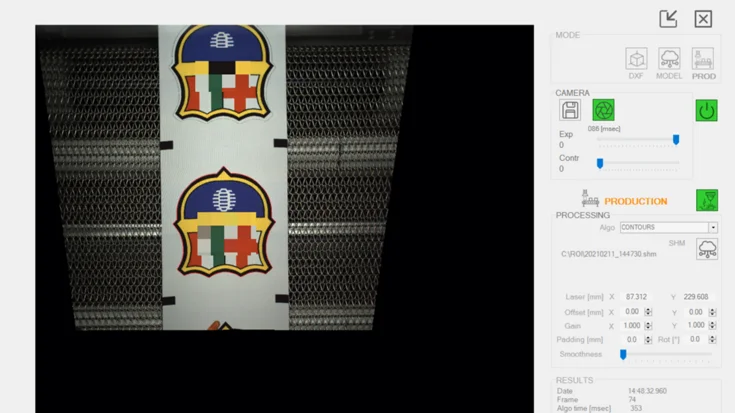
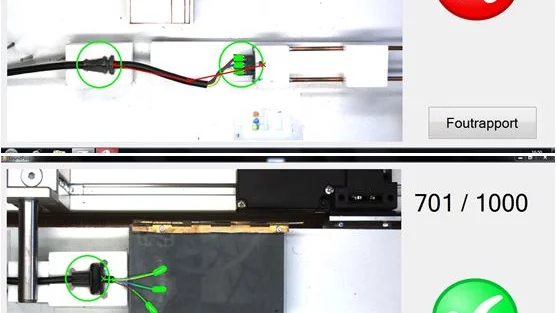
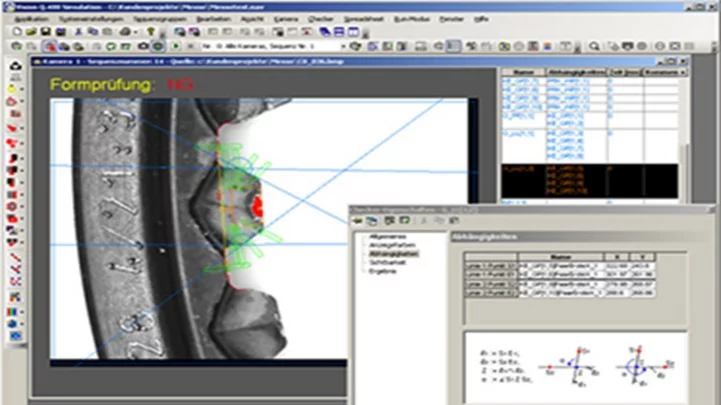
Cellios uses MVTec MERLIC machine vision software for image processing. Its low-code approach was a particularly important factor in the decision. Machine vision tools can be selected via a graphical user interface and combined into an application. Users can create machine vision applications without having to write extensive program code.
During the wire harness application, Cellios primarily uses MERLIC's matching technologies. They determine the position and orientation of the crimps, providing the information required for the robot’s corrective movements.
MERLIC is also integrated into the robotic system as a whole via MQTT and REST interfaces.
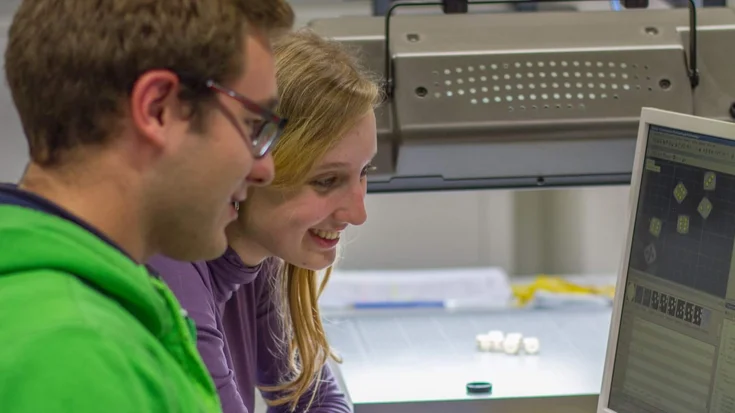
A key factor for Cellios was the short development time. Two of the company’s employees implemented the machine vision application using existing videos and sample applications. According to Cellios, no additional training was required.
This is particularly relevant for young automation companies: machine vision needs to operate with sufficient precision, while simultaneously providing an easy and quick integration into new machine concepts.
"For innovative companies like Cellios, time to market is crucial. MERLIC provides the perfect leverage here: its graphical user interface enables the configuration of complex machine vision applications such as the precise matching of very small parts, quickly and efficiently without compromising the performance of proven algorithms," explains Ulf Schulmeyer, MERLIC Product Manager at MVTec.
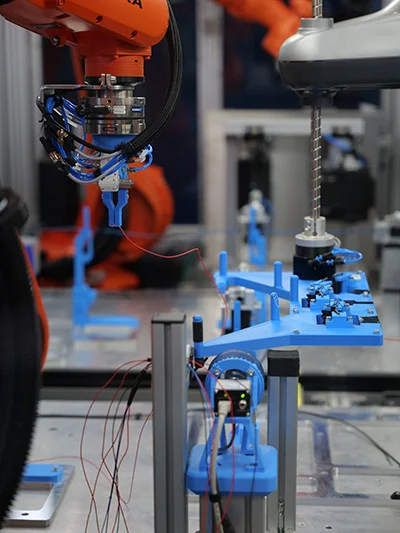
According to Cellios, automated wire harness manufacturing offers benefits that go beyond productivity. Automation can help make wire harness production economically viable in high-wage countries. This can enable production processes to be located closer to their respective sales markets and shorten supply chains.
At the same time, the digital monitoring of the insertion processes provides greater process control and complete traceability of wire harnesses.
The system demonstrator was presented in November 2025. According to Cellios, the market launch is scheduled for early 2027. Cellios is already planning to extend the concept to additional wire harness variants and other applications, such as control cabinet wiring. Machine vision is also expected to take on more tasks in the future. Plans include enhanced quality inspections and so-called self-healing processes, in which systems can detect deviations and respond to them. The project therefore demonstrates how robotics, machine vision, and force control can work together to automate a manufacturing process that was long considered particularly difficult to automate due to its high number of variants and flexible components.
REAL-WORLD APPLICATIONS