FOOD PRODUCTS & PACKAGING
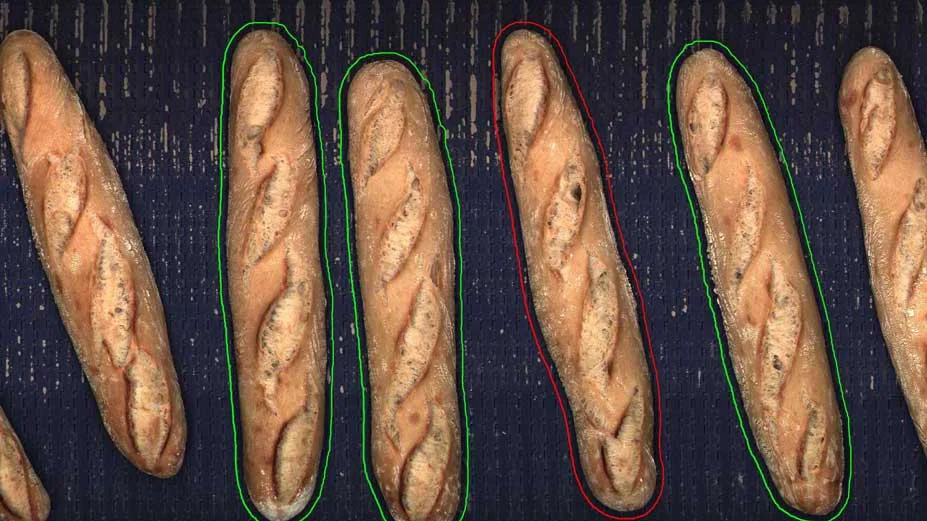
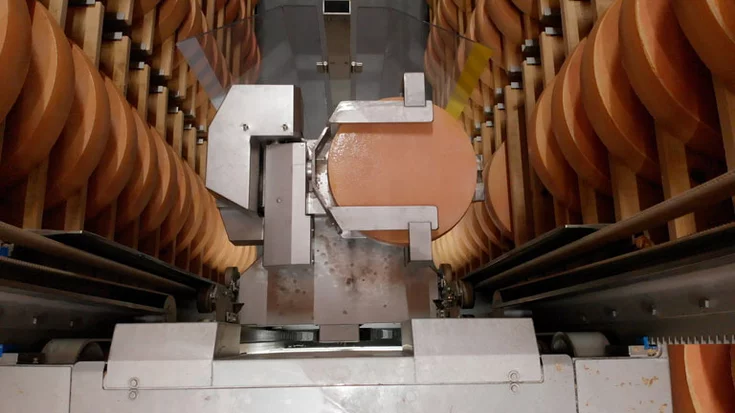
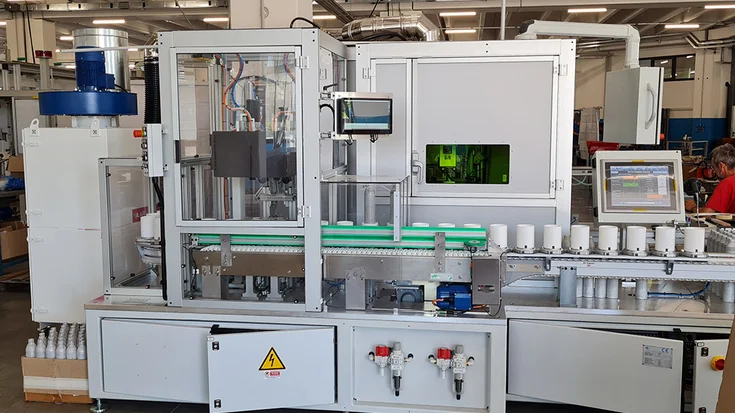
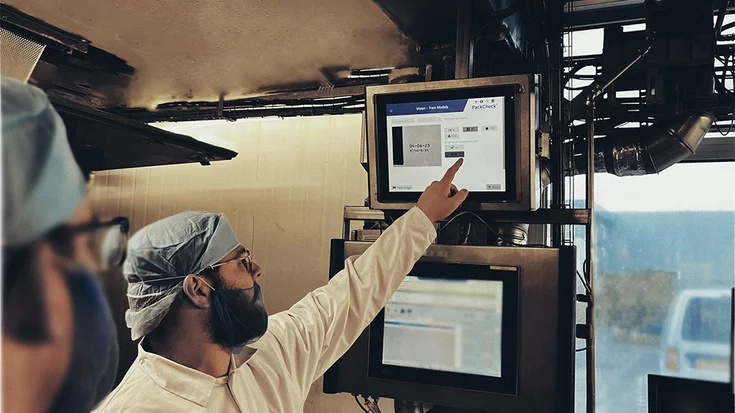
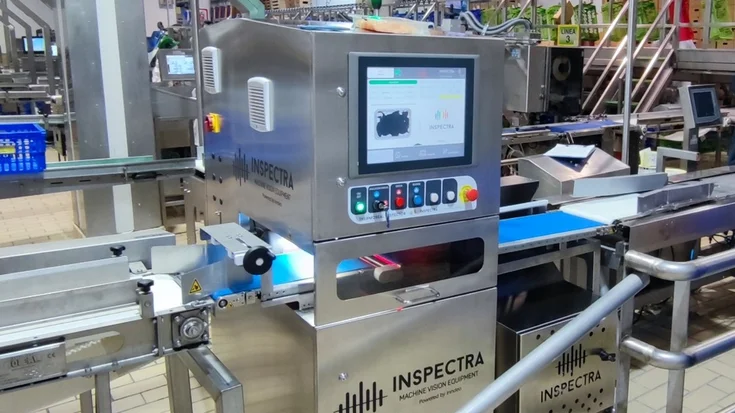
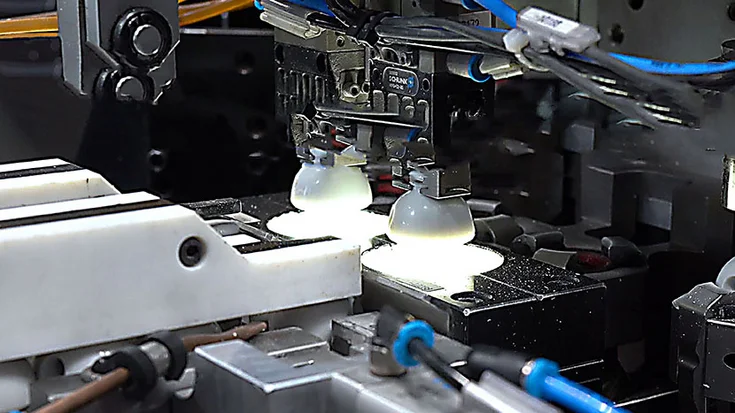
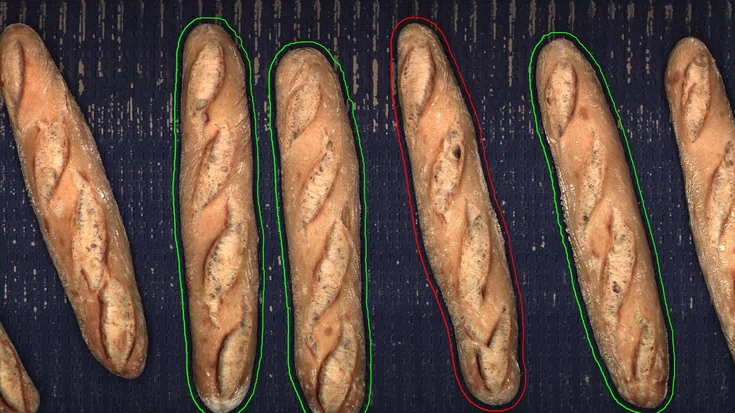
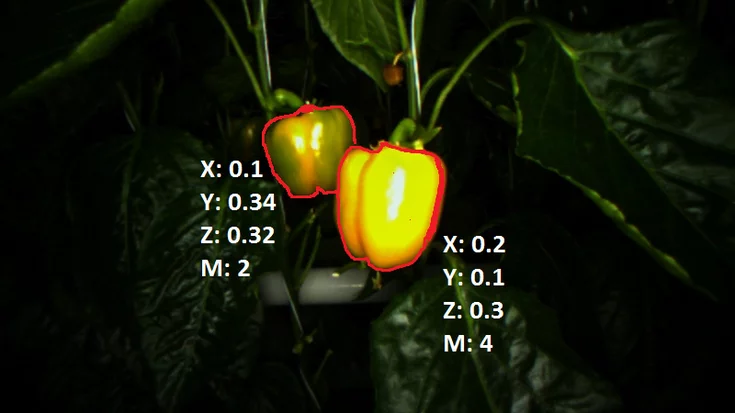
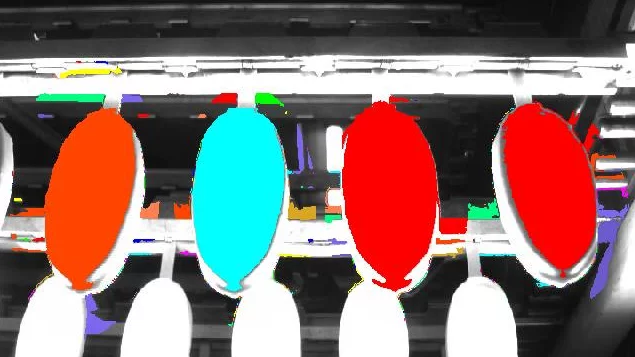
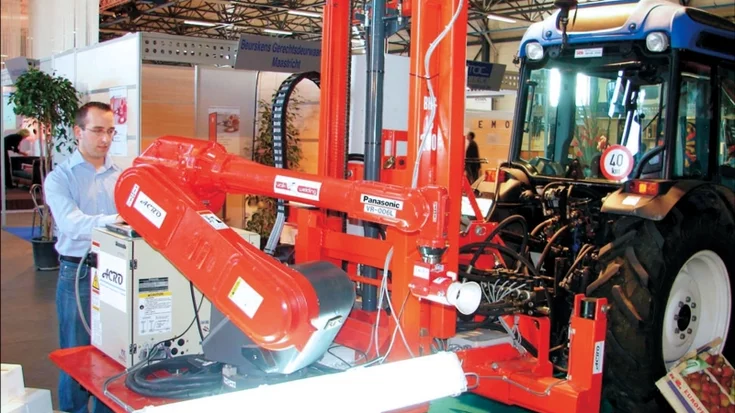
Machine vision enables continuous inline inspection of food products and packaging at production speed, detecting defects, contamination, incorrect variants, and missing or incorrectly positioned products. Classical machine vision efficiently handles defined geometries, edges, measurements, positioning, and presence checks, while AI-based methods add robustness when products, packaging, or defects vary significantly in appearance. Both approaches can be combined in one inspection workflow to support consistent quality assurance and food safety across a wide range of products and packaging formats.
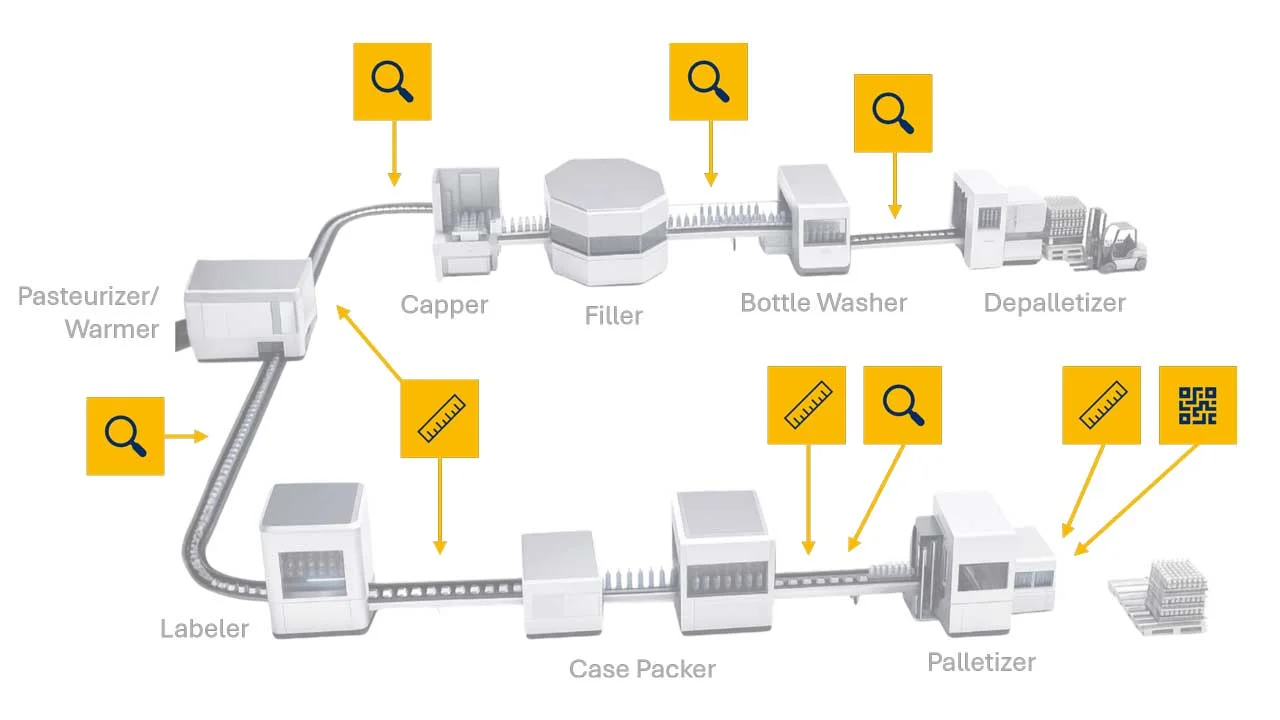
INLINE PROCESS CONTROL
Empty container inspection
Detect cracks, bottle-mouth damage, dirt, foreign objects, and wrong container types before filling.
Fill-level & contaminant inspection
Check underfill or overfill, monitor fill height, identify process deviations, and detect visible foreign objects where the imaging setup permits.
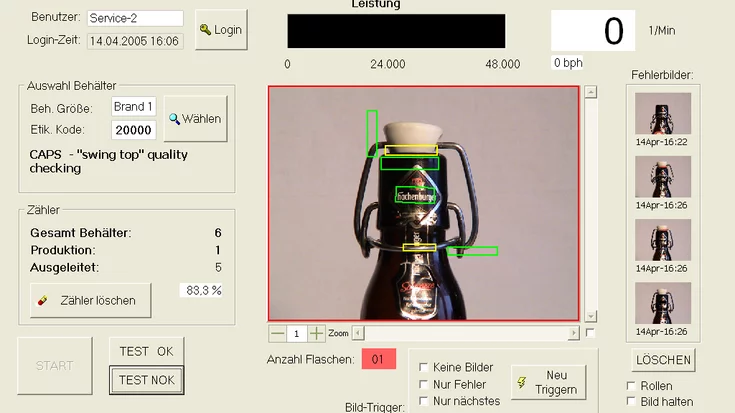
Cap & closure inspection
Verify cap presence and position, detect tilted or deformed closures, and inspect tamper-evident or tethered-cap features.
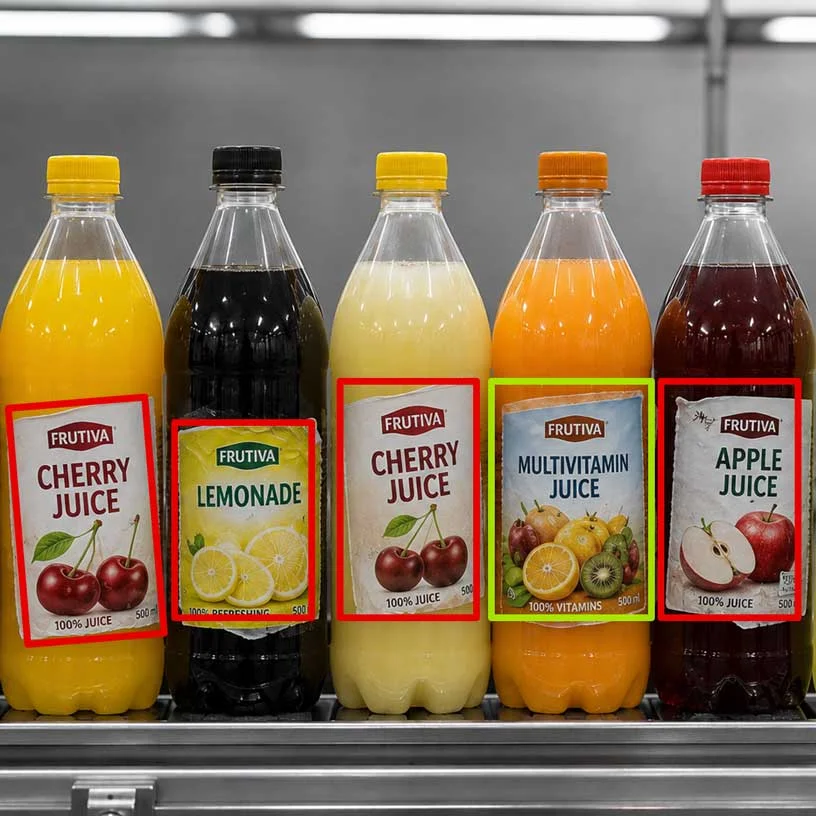
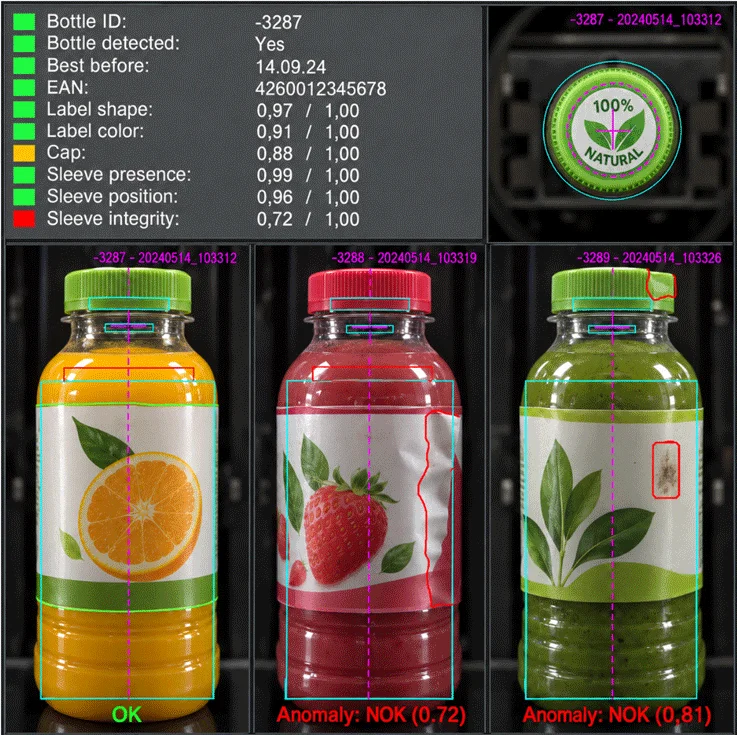
Label & print inspection
Check label presence, alignment, orientation, print quality, correct variant information, and readable codes.
Full-pack inspection
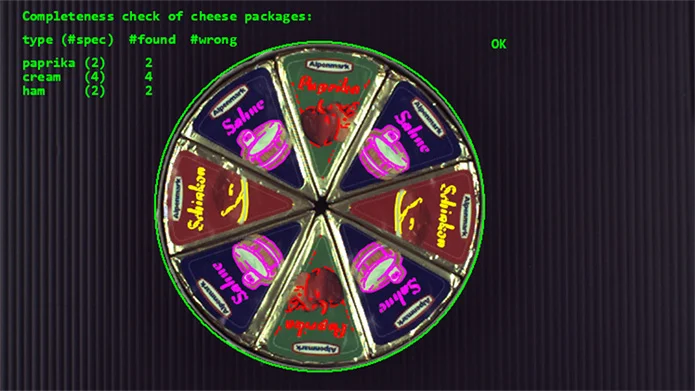
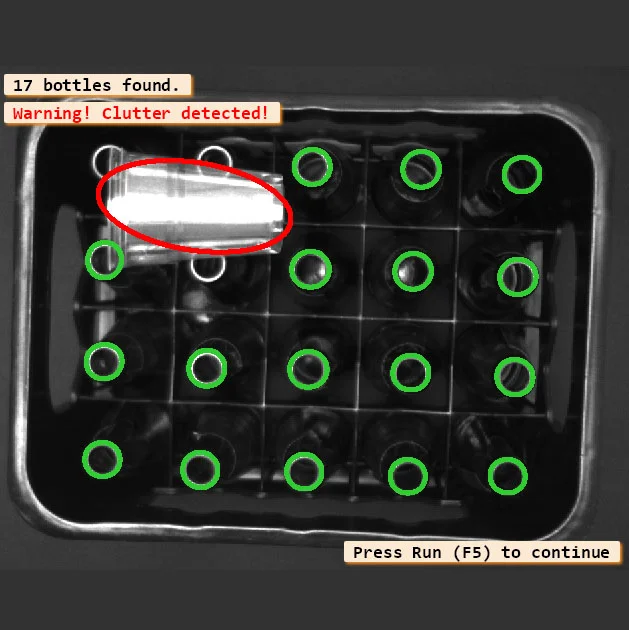
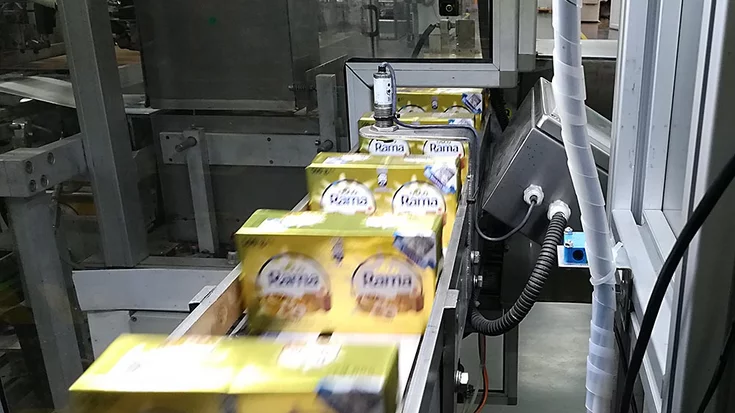
Verify that packs are complete and contain the expected number and type of containers before downstream handling.
IDENTIFICATION & TRACEABILITY
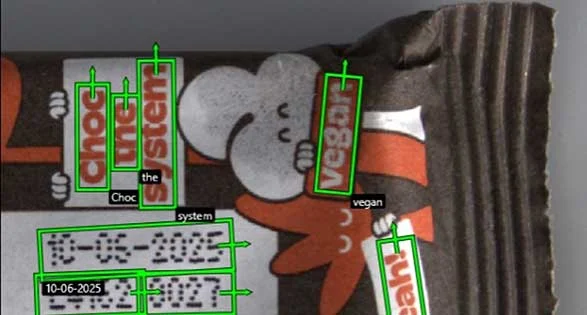
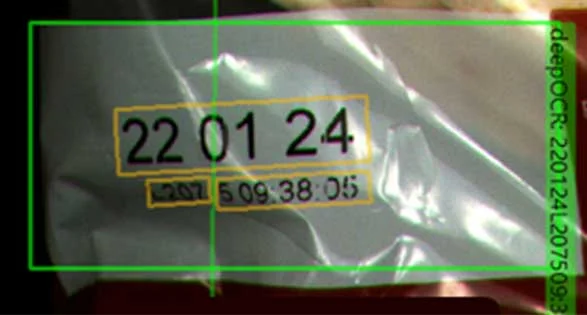
Reliable identification is essential for traceability and packaging quality. Machine vision can read and verify printed text and codes such as expiry or best-before dates, lot numbers, batch codes, 1D barcodes, Data Matrix codes, and QR codes. Barcode verification and 2D barcode inspection help ensure that the expected code is present, readable, and correctly printed. Food and beverage packaging creates difficult imaging conditions: characters and codes may be blurred or low-contrast, surfaces can be glossy, curved, flexible, or wet, and products move at high speed. Robust OCR and code reading help verify variable information under these conditions.
PACKAGING & SUSTAINABILITY
New packaging and sustainability regulations such as the EU Packaging and Packaging Waste Regulation (PPWR) are changing requirements for packaging throughout its life cycle. For food and beverage manufacturers, this increases the importance of flexible and reliable quality assurance as packaging materials, formats, labels, and designs evolve.
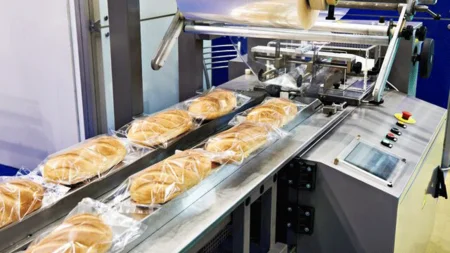
Machine vision supports automated packaging inspection by verifying characteristics such as completeness, dimensions, positioning, labels, printed information, and codes directly during production. Inspection workflows can be adapted to new packaging variants while maintaining consistent quality at production speed.
THE SHIFT TO 2D BARCODES
The retail industry is transitioning from traditional 1D barcodes to more data-rich 2D barcodes. The goal for the end of 2027 is for point-of-sale systems to be capable of reading and processing a defined set of 2D barcodes based on GS1 standards in addition to existing linear barcodes.
For food and beverage manufacturers, 2D codes can support greater traceability by carrying more information in a compact area, such as product identifiers, batch or lot information, and expiry dates. The transition also increases the importance of reliable 1D and 2D barcode inspection and verification in production.
Relevant GS1 standards include GS1 DataMatrix as well as QR Codes and Data Matrix codes using GS1 Digital Link URI syntax. Existing linear barcodes are expected to coexist with 2D barcodes during the transition.
SUCCESS STORIES