Creating Detailed 3D Models from 2D Data

3D Reconstruction & Stereo Vision

MVTec software offers powerful features for reconstructing three-dimensional shapes. Interfaces to commercial 3D sensors enable flexible image capture. 

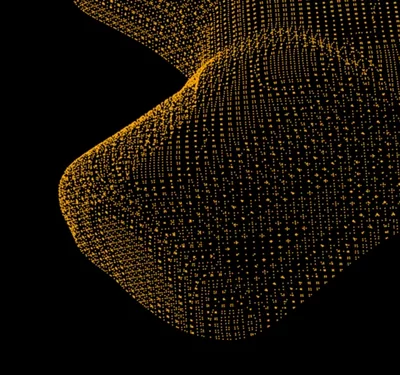
Additionally, our software includes tools for creating 3D depth maps and point clouds using methods like Multi-View Stereo (MVS) or Sheet of Light (Laser Triangulation). For efficient further processing, integrated functions for smoothing, sub-sampling, and triangulation ensure optimized visualization and performance.

Binocular Stereo Vision / Multi-View Stereo

Stereo Vision

Stereo vision is used for 3D reconstruction and positioning of complex objects. It is particularly suited for structured surfaces of medium to large objects and is commonly used in quality control.

MVTec software supports:
  • Binocular stereo systems (dual-camera setup).
  • Multi-view setups with multiple cameras.
  • Moving single cameras calculating depth from relative motion.

Stereo vision can also be used as a preprocessing step for 3D matching. The technology calculates 3D coordinates either through dense range images or using characteristic points and edges, making it ideal for precise measurements of elevations. The integrated hierarchical stereo interpolates 3D data in homogeneous areas, achieving especially high accuracy for small objects.

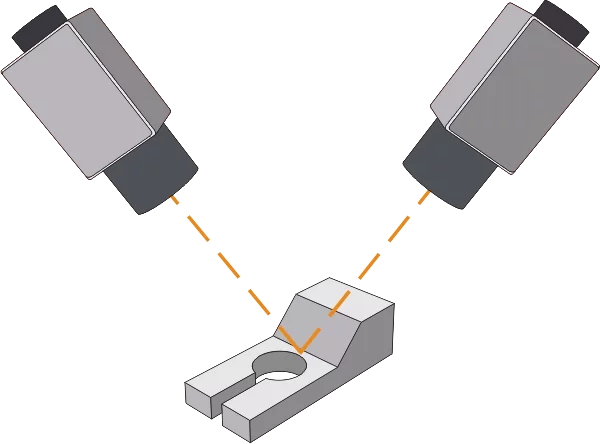
Two or more cameras capture images from different perspectives, and a disparity map is calculated to determine the three-dimensional shape of the object.
Multiple cameras capture images from different angles to calculate the disparity map and determine the object's 3D shape.
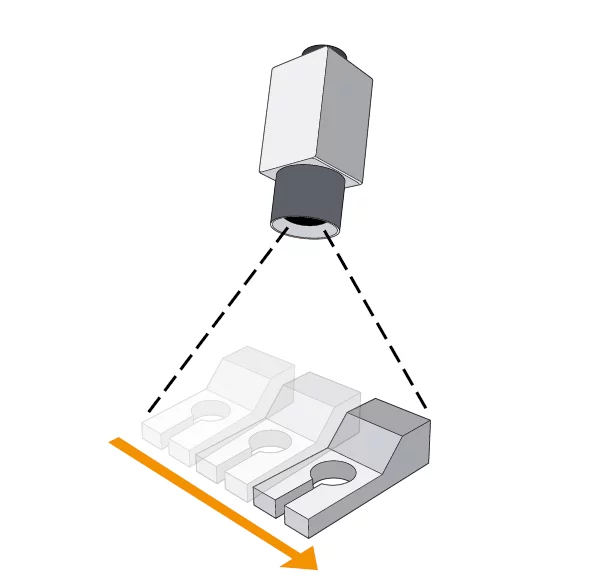
A camera captures overlapping images of a moving object, and based on that, the object's three-dimensional shape is determined.
Left: Images of the object captured with a calibrated two-camera setup. Right: The 3D shape of the object calculated using both images.
Left: Images of the object are captured with a calibrated two-camera setup. Right: The 3D shape of the object calculated using both images.

Height Images / Z-Maps

Monocular 2½D

Active monocular methods enable the capture of height information with just one camera.
These approaches are often referred to as 2.5D imaging or Z-maps.

The two most common methods are:

  • Depth from Focus (DFF / Shape from Focus)
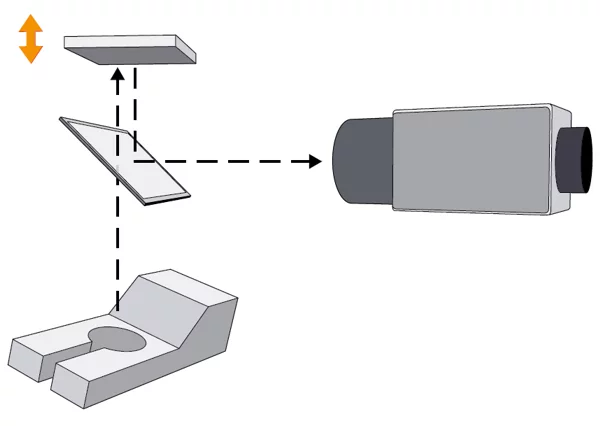
    Determines distance data by analyzing the focus plane of each pixel. A shallow depth of field enables precise calculation of object distance.
  • Sheet-of-Light (Laser Triangulation)
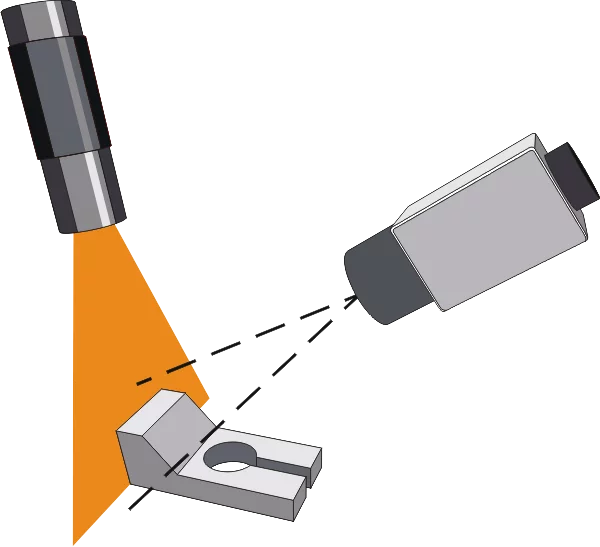
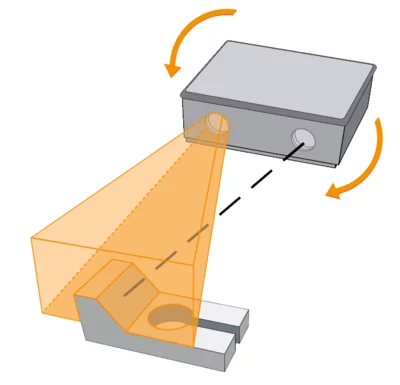
    Calculates the height profile of an object by reconstructing a light line projected onto the object.

These methods are ideal for 3D reconstruction of small or structure-poor objects and are frequently used in quality control or position verification.
For dense height images, the software provides additional tools for determining edges, angles between planes, and for line- and point-based 3D measurements.

Several images of the object are taken with different distances. The change in focus is used to calculate distance information.
The 3D shape of an object is determined by measuring the profile of the object along a projected line of light.
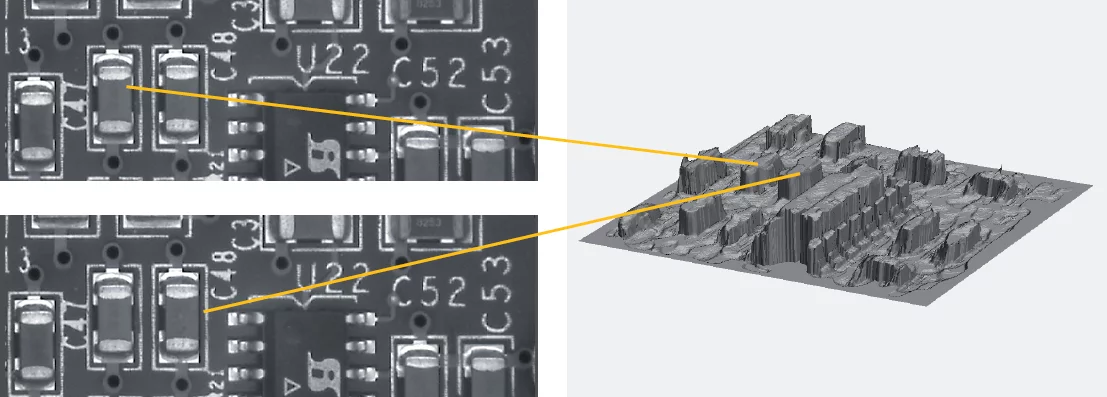
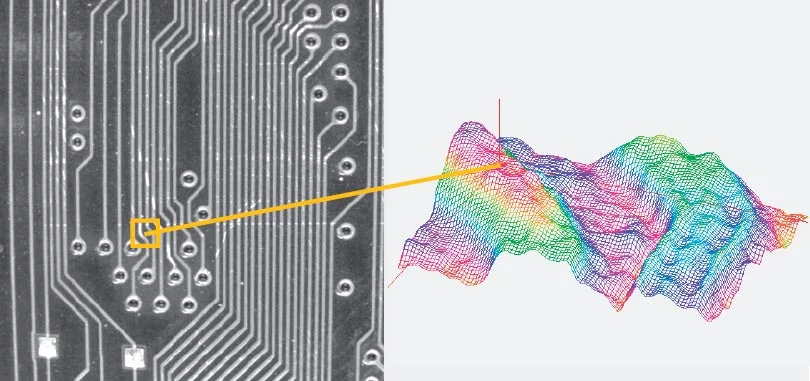
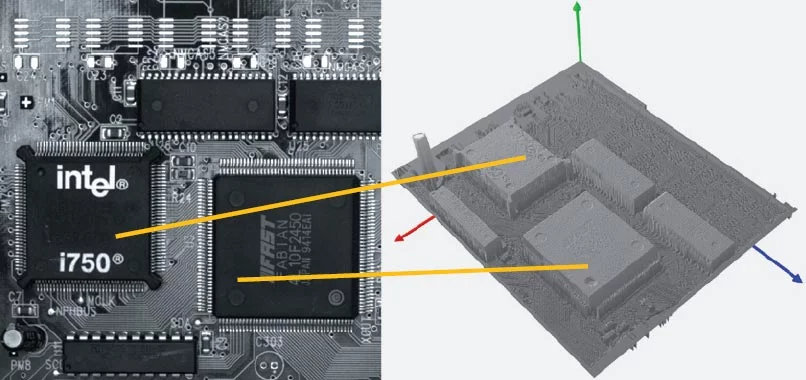
PCB trace inspection with DFF using our software.
Measuring the object with sheet of light using our software.

3D Registration

In 3D registration, multiple images of an object from different perspectives are merged into an optimized overall shape (mesh). This method is crucial for reconstructing complex geometries and forms the foundation for 3D matching, quality control, and position determination.

MVTec software provides functions for smoothing, sub-sampling, and triangulation to prepare the registered point clouds optimally for further comparison or measurement.

Using 3D registration, the three-dimensional object shape is determined from multiple views with a 3D sensor.
Surface fusion
Surface fusion

Surface Fusion for Multiple 3D Point Clouds 

The surface fusion integrated in MVTec HALCON combines multiple 3D point clouds into a watertight surface (watertight mesh).

This technique, also known as volumetric fusion or TSDF fusion, can merge data from different sensors, such as stereo cameras, time-of-flight systems, or stripe projection sensors (structured light).
It is primarily used for reverse engineering and precise surface analysis.
OUR KNOWLEDGE & SERVICES

Benefit From Our Expertise

PRACTICAL INSIGHTS & EXPERT KNOWLEDGE
Discover Our White Papers!

Explore our white papers to gain practical insights and expert knowledge on industrial machine vision. Download them now to understand key technologies, current trends, and real-world applications that support informed technical and strategic decisions.

INDIVIDUALLY TAILORED
Evaluation Of Your Application

Do you want to know if we offer the right solution for your industry? Send us your software application design and our experts will check it.

MVTec Software